Why Your Pool Heat Pump Is Not Heating Properly
Nothing is more frustrating than planning a relaxing afternoon in the pool only to find the water is still too cold to enjoy. If your pool heat pump is not heating as expected, the problem may not be as serious as you think, but it should not be ignored.
For homeowners in Palm Bay, Florida, and throughout Brevard County and Indian River County, pool heat pumps are a popular choice because they work exceptionally well in Florida's warm climate.
Understanding the most common causes of heating problems can help you determine whether a simple fix is possible or if it is time to call a professional.
Dirty Coils Can Reduce Heating Performance
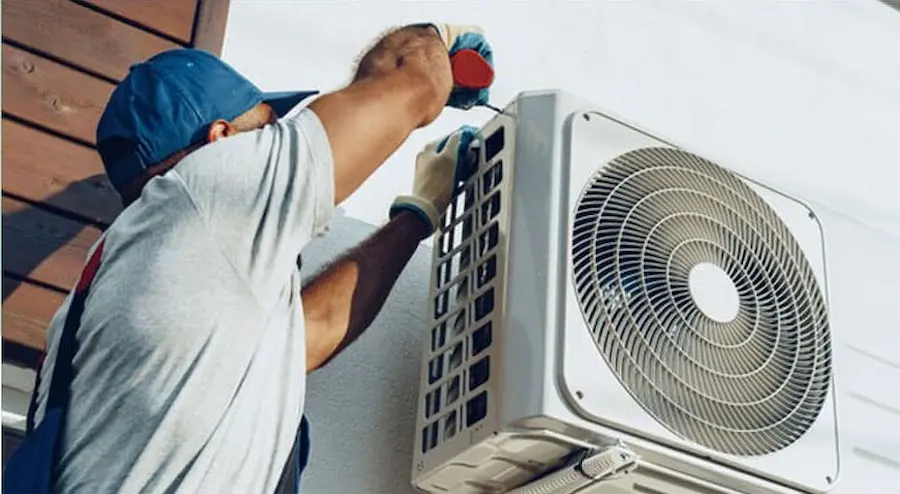
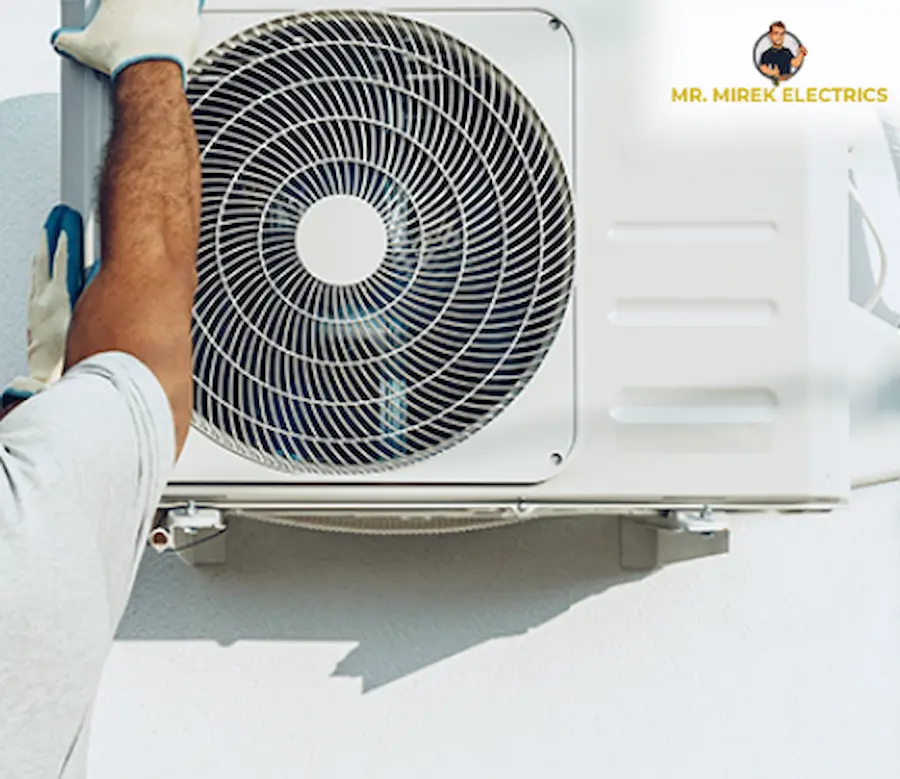
One of the most common reasons a pool heat pump is not heating is dirty evaporator coils. Heat pumps pull warmth from the surrounding air and transfer it into your pool water. When dirt, leaves, grass clippings, or other debris build up on the coils, the system cannot absorb heat efficiently.
In Palm Bay and across Brevard County, outdoor equipment is exposed to humidity, pollen, and coastal debris throughout the year. This buildup restricts airflow and forces the system to work harder than necessary.
Cleaning the coils carefully and keeping the area around the unit free from vegetation can often improve performance. Regular inspections also help prevent buildup before it affects water temperature.
Low Refrigerant Levels
Refrigerant is essential to the heating process. If the refrigerant charge is low because of a leak or another issue, the heat pump cannot transfer enough heat into the pool water.
Refrigerant is not consumed during normal operation, so low levels almost always indicate a leak within the sealed system. Simply adding more refrigerant without repairing the leak only provides a temporary solution.
Homeowners throughout Indian River County often notice longer heating times or water temperatures that never reach the thermostat setting when refrigerant problems develop. A licensed technician can locate the leak, repair it, and recharge the system correctly.
Incorrect Pool Heat Pump Sizing
Sometimes the heat pump is working properly but was never the correct size for the pool. A system that is too small will struggle to keep up with demand, especially after cooler nights or when heating a larger pool.
Pool size, water volume, desired temperature, wind exposure, and the use of a pool cover all affect the heating capacity required.
Many homeowners in Palm Bay, Florida upgrade or expand their pools without realizing their existing heat pump may no longer be properly sized. If your system runs continuously but never reaches the desired temperature, sizing could be the issue.
Poor Airflow Around the Unit
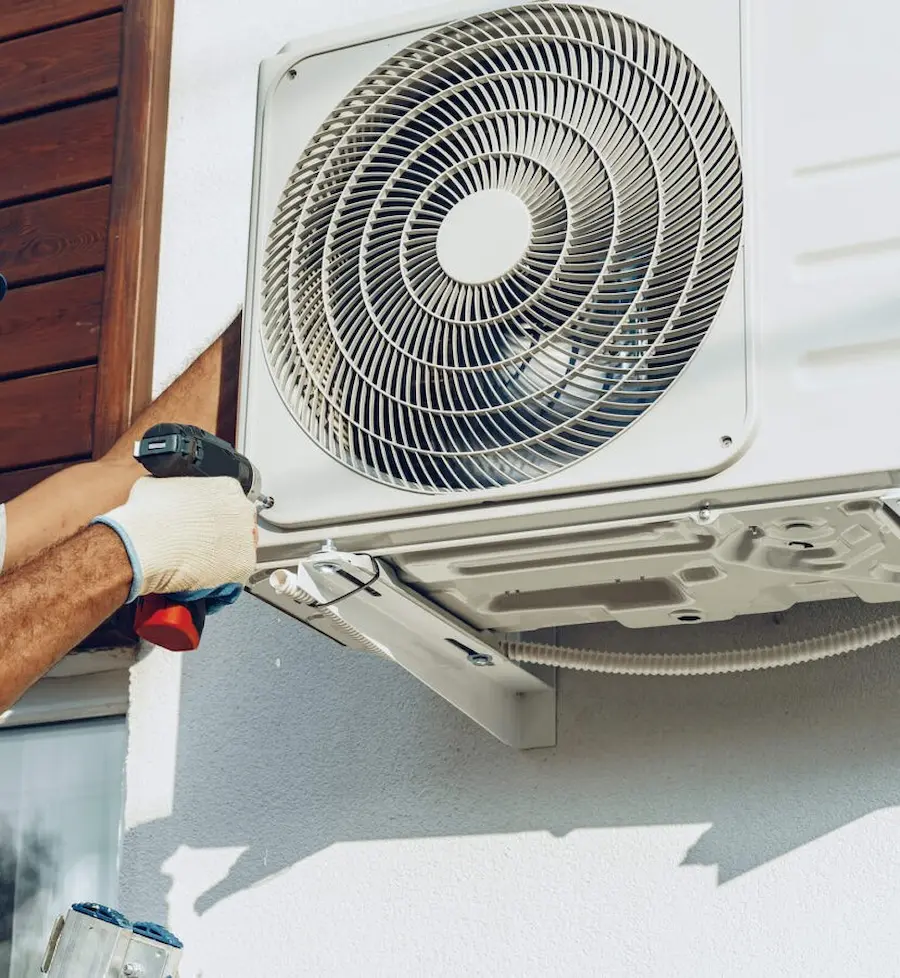
Pool heat pumps need unrestricted airflow to operate efficiently. Since they extract heat from the surrounding air, anything that blocks airflow will reduce heating performance.
Shrubs growing too close to the unit, nearby fencing, or debris blocking the air intake can all interfere with normal operation. Even outdoor furniture placed too close can reduce airflow.
Across Brevard County, where landscaped pool areas are common, maintaining adequate clearance around the unit is one of the simplest ways to improve efficiency and performance.
Electrical Issues That Affect Performance
Electrical problems are another common reason a pool heat pump is not heating properly. A tripped breaker, loose electrical connection, damaged wiring, or low voltage can prevent the compressor or fan from operating correctly.
Sometimes the unit appears to be running while one important component is not receiving enough power. Electrical systems should never be diagnosed without the proper training.
Homeowners throughout Palm Bay and Indian River County should leave electrical testing and repairs to qualified professionals to ensure the system operates safely and reliably.
When to Call a Professional
While homeowners can perform basic maintenance such as clearing debris around the unit and checking that breakers have not tripped, more complex issues require professional attention.
Problems involving refrigerant, compressors, electrical components, or internal controls should always be handled by experienced technicians. Proper diagnosis restores performance while preventing additional damage that could lead to more expensive repairs.
Annual maintenance also helps prevent many common heating issues before they develop. For homeowners across Palm Bay, Brevard County, and Indian River County, routine servicing keeps pool heat pumps operating efficiently, extends equipment lifespan, and ensures comfortable swimming temperatures throughout Florida's swimming season.