Why Does 'Whole-Home Surge Protection' Matter for HVAC in Indian River County?
Published on December 15th, 2025
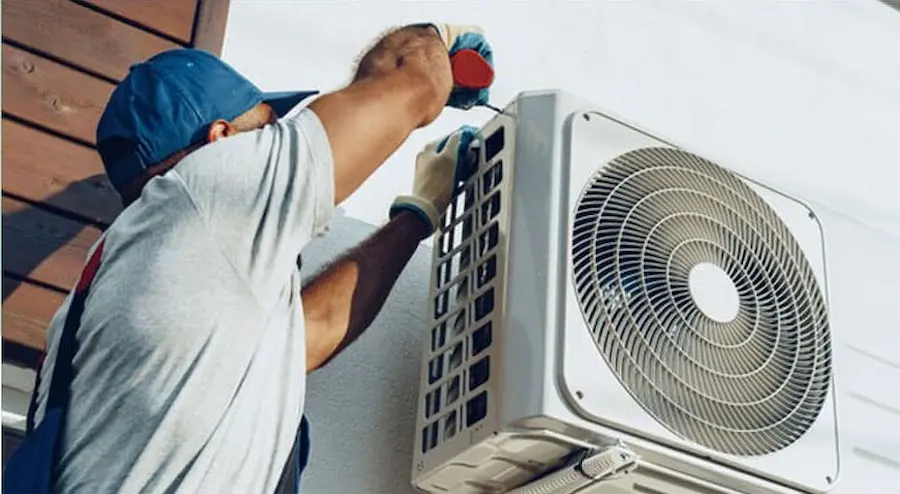
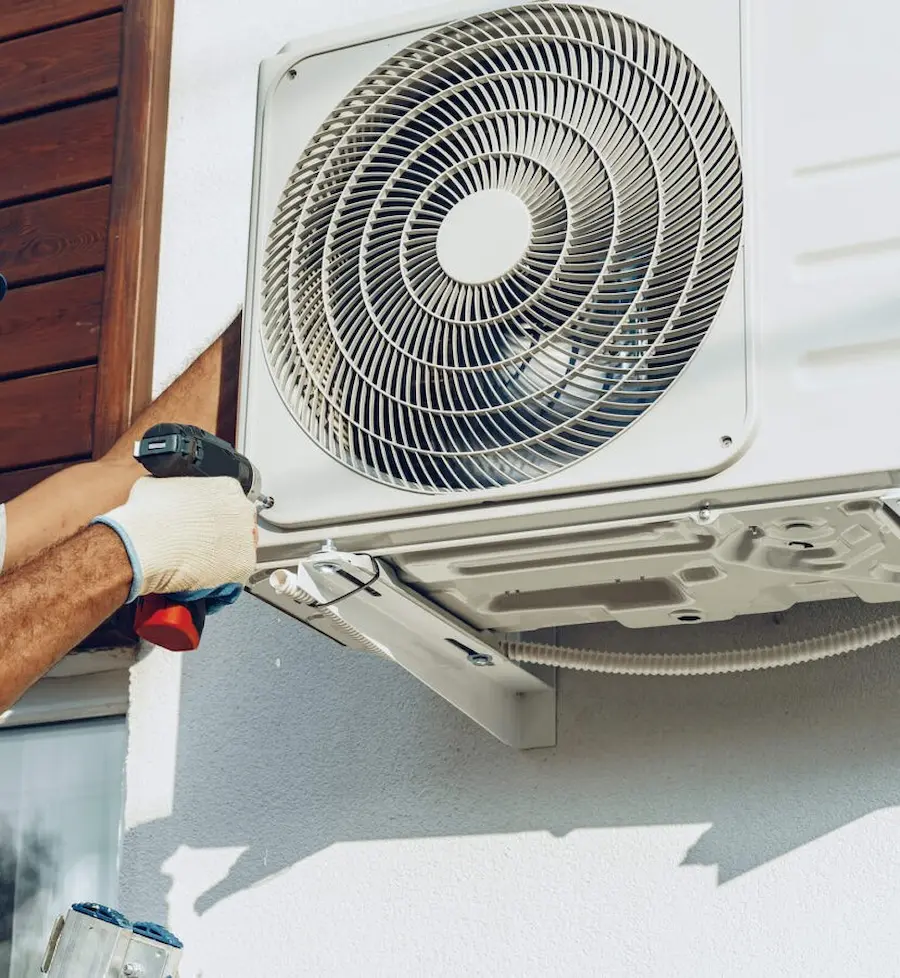
Florida homes rely heavily on air conditioning, and that dependence is even stronger across Indian River County where heat, humidity, and long cooling seasons push HVAC systems to work hard. In places like Vero Beach, Sebastian, and Fellsmere, sudden electrical surges are a common and often overlooked threat to AC equipment.
A single surge can damage control boards, compressors, or thermostats, leading to costly repairs and unexpected downtime. Understanding how surge protection HVAC solutions work helps homeowners protect one of the most expensive systems in their home.
How Electrical Surges Put AC Systems at Risk
Electrical surges are brief spikes in voltage that exceed what your HVAC system is designed to handle. In Indian River County, lightning strikes are a major cause, even when the strike is miles away.
Utility switching, power restoration after outages, and nearby construction can also send excess voltage through power lines. These spikes do not always shut a system down immediately.
Often, they weaken components over time, shortening the lifespan of your air conditioner and increasing the chance of failure during peak summer demand in Palm Bay, Florida and nearby areas.
What a Whole-Home Surge Protector Does
A whole-home surge protector is installed at the electrical panel and acts as a first line of defense for your entire house. Instead of relying on individual devices to absorb excess voltage, the panel-mounted unit redirects harmful surges safely to ground before they reach sensitive equipment.
For HVAC systems, this means better protection for circuit boards, variable speed motors, and smart thermostats. Homeowners searching for surge protection HVAC options often overlook this solution, yet it is one of the most effective ways to protect major appliances throughout Brevard County and Indian River County.
Point-of-Use Protection and Its Limits
Plug-in surge strips and point-of-use devices still have a role, especially for thermostats or mini split controllers.
However, these products only protect what is plugged directly into them and cannot stop a large surge entering the home. Air conditioners are typically hardwired, so they remain exposed unless a whole-home surge protector is installed.
Using both methods together creates layered protection, but panel-level defense is what shields the HVAC system itself from serious electrical events.
Why Lightning and Utility Switching Are Common Threats Locally
Indian River County neighborhoods experience frequent storms, and lightning does not need to strike your home to cause damage.
Voltage can travel through power lines and reach indoor systems instantly. Utility switching during maintenance or after outages can also send sudden spikes through the grid. These conditions explain why whole-home surge protector installations are becoming more common for homeowners who want reliable cooling during the hottest months.
Choosing the Right Protection for Your Home
Not all surge protection devices are the same. Ratings, response times, and installation location all matter. Resources from surge protection authorities explain how properly sized devices reduce risk for HVAC equipment and other major systems.
Local electrical codes and climate conditions should also guide the choice, especially in coastal parts of Indian River County where electrical stress is higher.
Why This Matters for Long-Term AC Performance
Replacing an AC control board or compressor can cost far more than installing a whole-home surge protector.
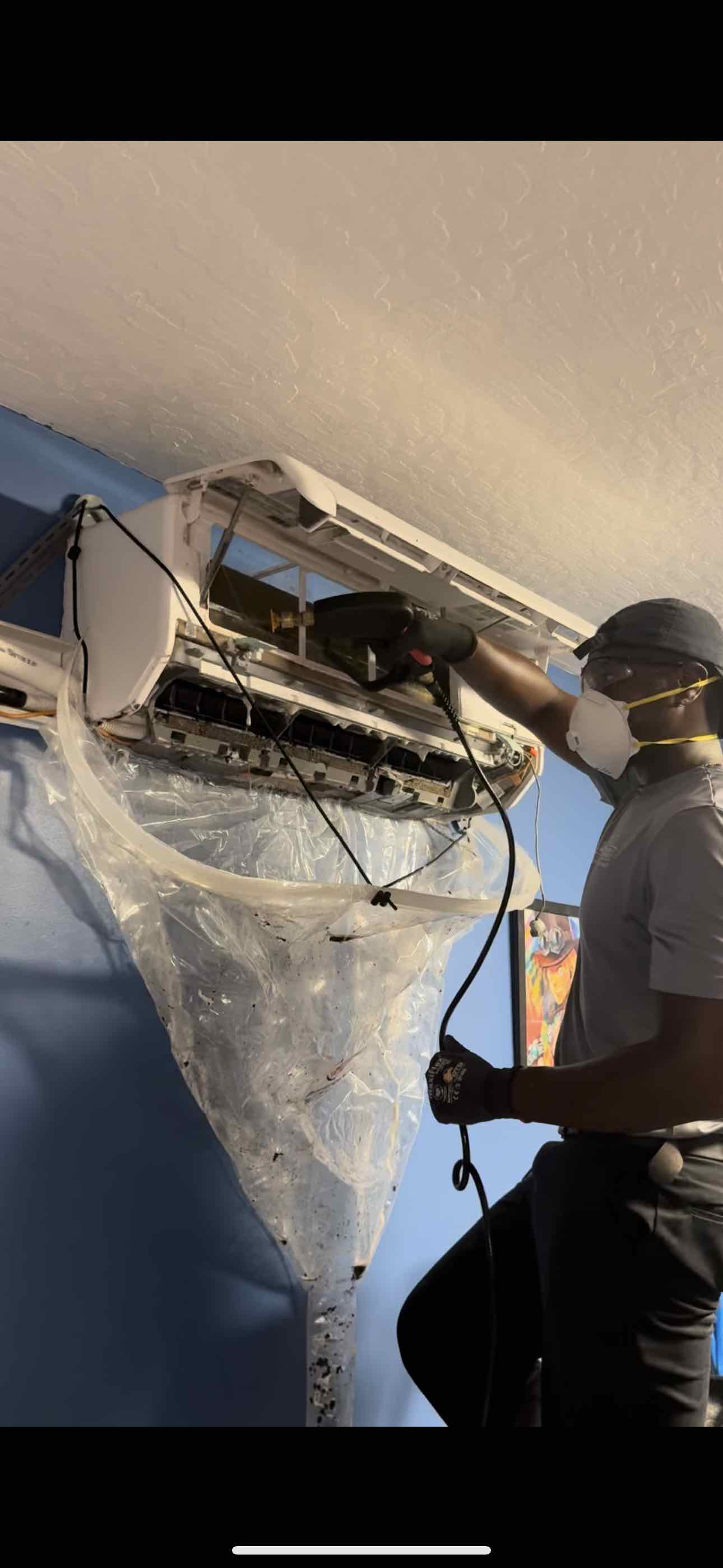
For homeowners in Palm Bay, Florida, Brevard County, and Indian River County, surge protection supports system reliability, reduces repair frequency, and helps maintain efficiency over time. When paired with regular maintenance, it is a smart step toward protecting your comfort investment.
So Icy works with homeowners throughout the region to keep cooling systems dependable in challenging electrical conditions. Addressing surge risks now can prevent sudden failures later and keep your HVAC system running when you need it most.