Why the Outdoor Condenser Is Vulnerable During Storms
Published on December 31st, 2025
The condenser sits outside year round, exposed to wind driven rain, falling debris, and fluctuating power conditions. During storms, leaves, sand, and branches can clog the coil. Standing water can affect the base of the unit. Electrical surges and power interruptions add another layer of risk.
In Palm Bay and surrounding parts of Brevard County, these conditions happen repeatedly throughout the cooling season. Without proper care, even a relatively new system can suffer premature wear.
Clearing Debris Before and After Storms
One of the simplest but most effective steps in outdoor AC care Palm Bay homeowners can take is keeping the area around the condenser clear. Before a storm, remove loose items such as patio furniture, yard tools, or potted plants that could blow into the unit. Trim back shrubs so there is adequate airflow on all sides.
After a storm passes, check for leaves, palm fronds, and dirt packed against the coil. Debris restricts airflow, which forces the system to work harder and raises operating temperatures. Over time, that strain increases the likelihood of breakdowns and higher energy bills.
Checking the Unit’s Base and Elevation
Heavy rain can cause pooling water, especially in low lying yards common in parts of Brevard County. Your condenser should sit on a stable, level pad that keeps it slightly elevated above the surrounding ground. If water regularly collects around the unit after storms, it may be worth having the base evaluated.
Standing water can lead to corrosion and compromise electrical connections. In severe cases, it can also cause the unit to shift out of level, placing stress on internal components. Proper elevation is a key part of long term AC maintenance Brevard County homeowners often overlook.
Inspecting Refrigerant Lines and Electrical Connections
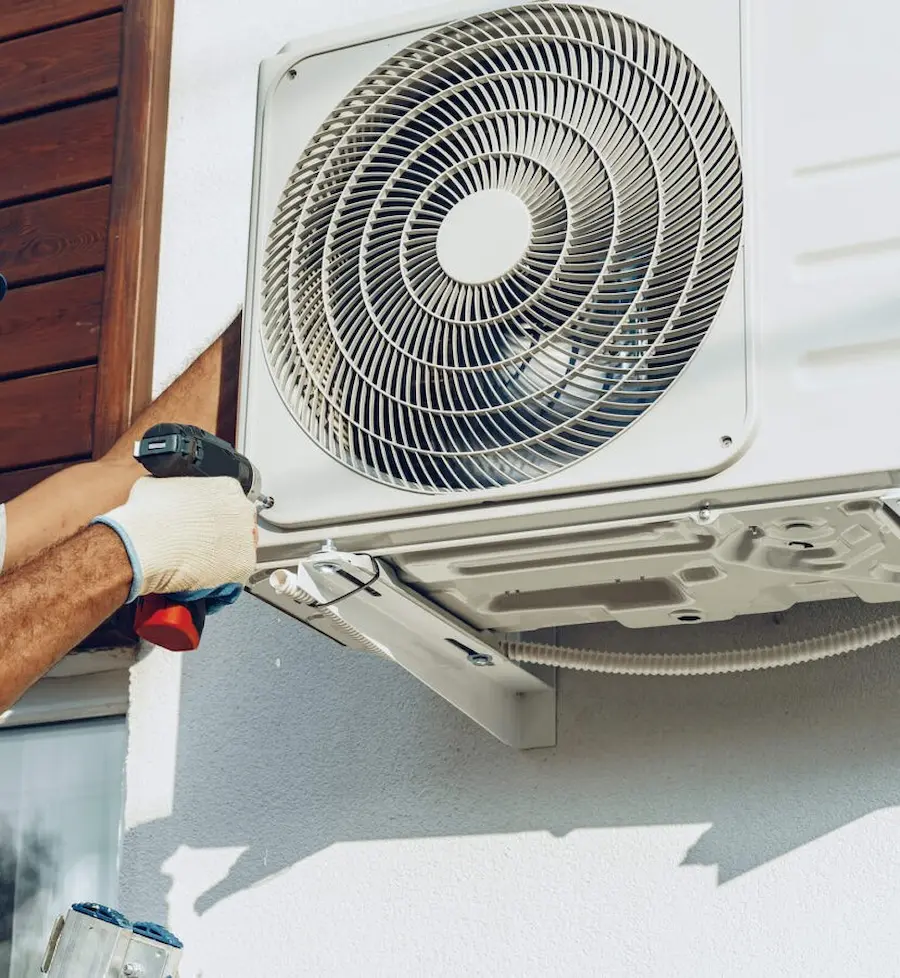
Storms can loosen or damage refrigerant lines and conduit. After major wind events, visually inspect the insulated lines running from the condenser into your home. Look for torn insulation, exposed copper, or obvious bends.
Electrical disconnects and conduit should also remain secure. If you notice anything out of place, avoid touching it and contact a professional. These components carry electrical current and refrigerant under pressure, which makes DIY fixes unsafe.
Preparing for Power Issues and Surges
Florida storms often bring brief outages followed by sudden power restoration. These fluctuations can stress motors and control boards. While whole home surge protection is one option, even simple habits help. After a prolonged outage, wait a few minutes before restarting your system to allow power to stabilize.
This small step reduces strain on the condenser during startup, especially in older systems common in Palm Bay, Florida neighborhoods.
Coastal Considerations for Indian River County Homes
Homes closer to the coast in Indian River County face an added challenge: salt spray. Salt in the air accelerates corrosion on metal components, including condenser coils and fasteners. Rinsing the exterior of the unit with fresh water every few months can help slow this process.
This is especially important after storms that push salty air inland. Coastal exposure makes regular inspections and professional maintenance even more valuable for long term system reliability.
When Professional Maintenance Matters Most
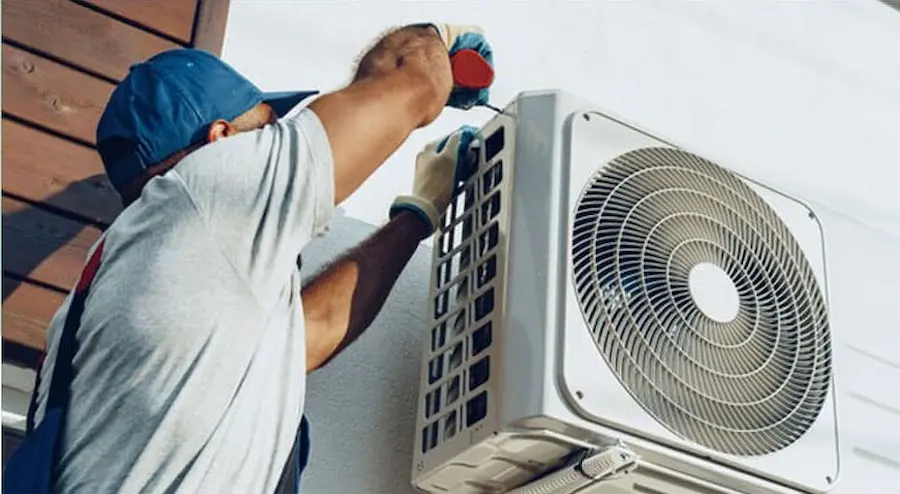
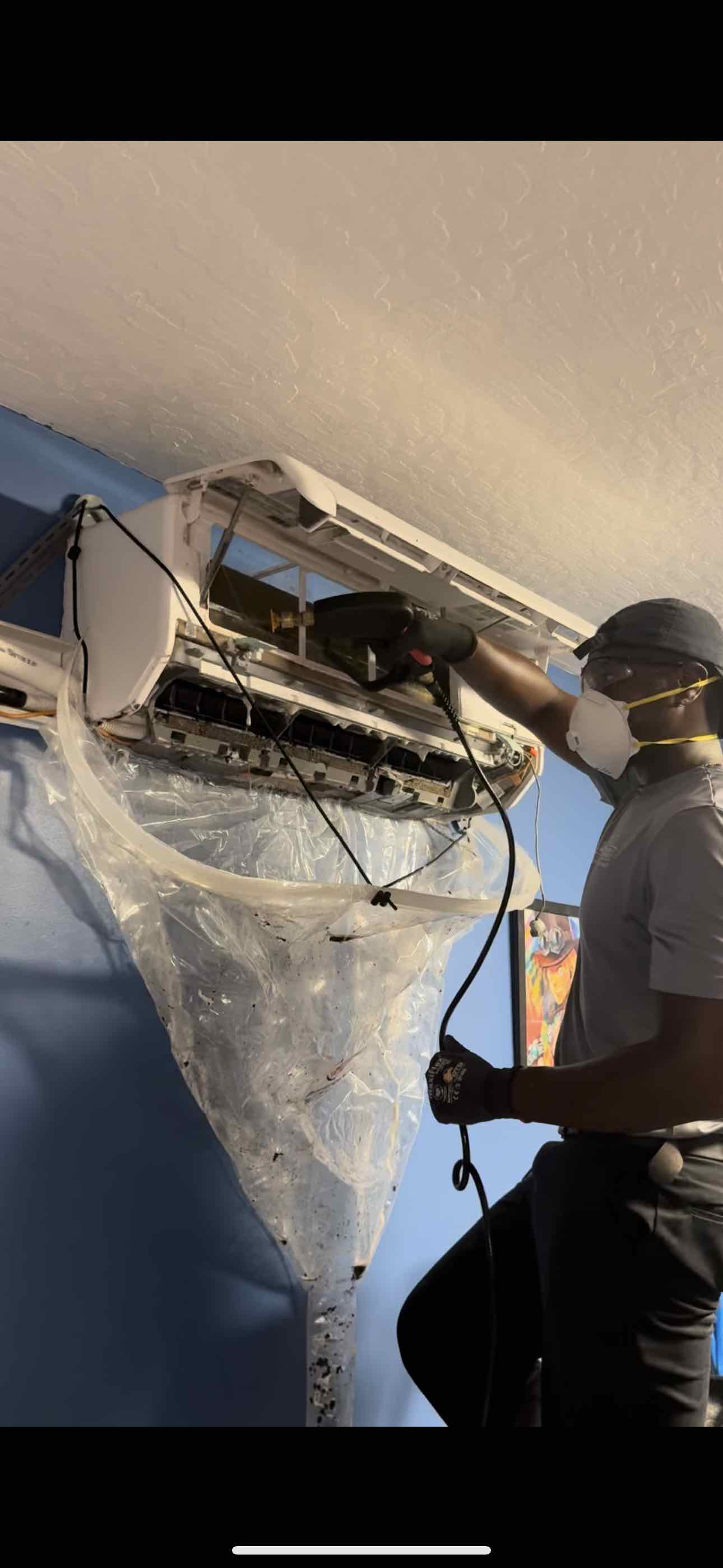
Routine care by homeowners goes a long way, but it does not replace professional service. Annual inspections allow technicians to clean coils thoroughly, check electrical readings, and identify wear that is not visible from the outside.
This level of service is a cornerstone of proper AC maintenance Brevard County residents rely on to get through storm season.
So Icy works with homeowners throughout Palm Bay, Florida, Brevard County, and Indian River County to keep outdoor condensers protected and performing reliably. With the right preparation and timely service, your AC system is far more likely to weather Florida storms without costly surprises.