How Long Do Pool Heat Pumps Last?
Installing a pool heat pump is a significant investment, so it is natural to ask how long it will continue performing efficiently. The good news is that pool heat pumps are known for their durability and long service life. With proper installation and routine maintenance, many homeowners enjoy reliable pool heating for well over a decade.
For homeowners in Palm Bay, Florida, and throughout Brevard County and Indian River County, pool heat pumps are especially well suited to the local climate. Because they draw heat from the surrounding air rather than generating it through combustion, they experience less wear than many traditional heating systems.
Understanding what affects pool heat pump lifespan can help you get the most value from your investment and avoid premature repairs or replacement.
What Is the Average Pool Heat Pump Lifespan?
The average pool heat pump lifespan is typically between 10 and 15 years, although many high quality systems continue operating beyond that with proper care. The exact lifespan depends on factors such as equipment quality, installation, maintenance, and environmental conditions.
Unlike some heating systems that experience constant high temperatures during operation, pool heat pumps transfer heat from the surrounding air. This process places less stress on internal components, helping the equipment last longer when maintained correctly.
For homeowners in Palm Bay and across Brevard County, this long lifespan makes pool heat pumps one of the most cost effective options for maintaining comfortable swimming temperatures throughout much of the year.
How Pool Heat Pumps Compare to Gas Heaters
One reason pool heat pumps have become increasingly popular is their longevity compared to traditional gas heaters.
Gas heaters generally have an average lifespan of around 5 to 10 years, depending on usage and maintenance. Because they rely on combustion, their internal components are exposed to much higher operating temperatures, which can lead to faster wear over time.
Pool heat pumps, by comparison, experience less thermal stress and typically require fewer major repairs throughout their service life. Although they often have a higher upfront cost, their longer lifespan and lower operating expenses frequently make them the better long term investment for homeowners throughout Indian River County and Palm Bay, Florida.
What Affects Pool Heat Pump Lifespan?
Several factors influence how long your equipment will continue operating efficiently.
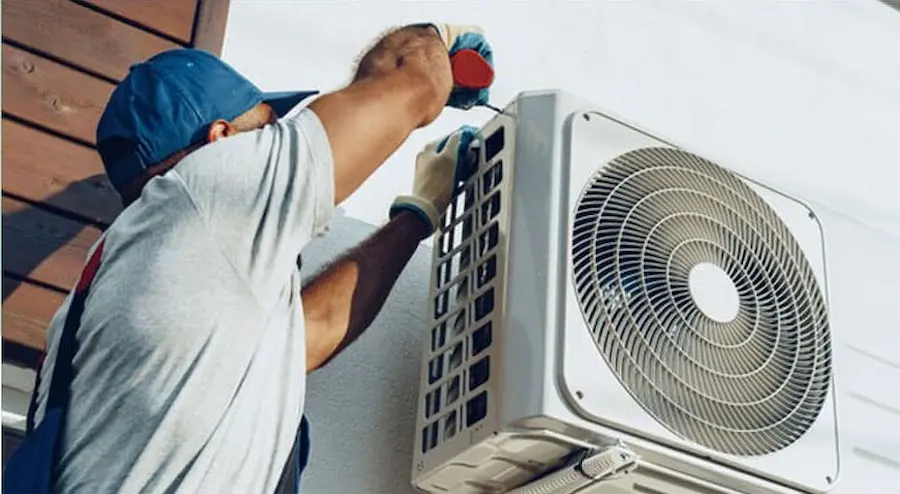
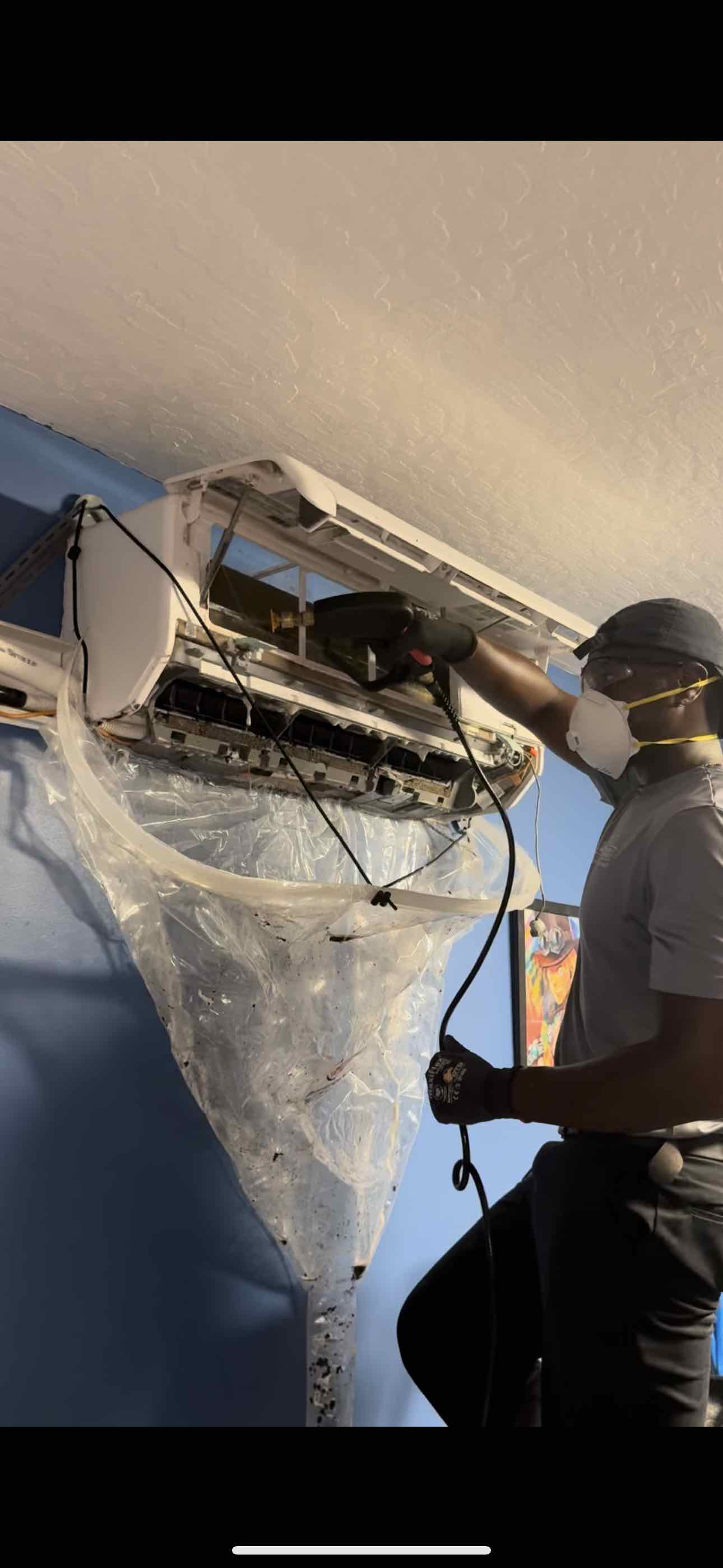
Routine maintenance is one of the biggest contributors to long equipment life. Dirty coils, clogged filters, blocked airflow, or neglected inspections force the system to work harder than necessary. Over time, that additional strain increases wear on important components like the compressor and fan motor.
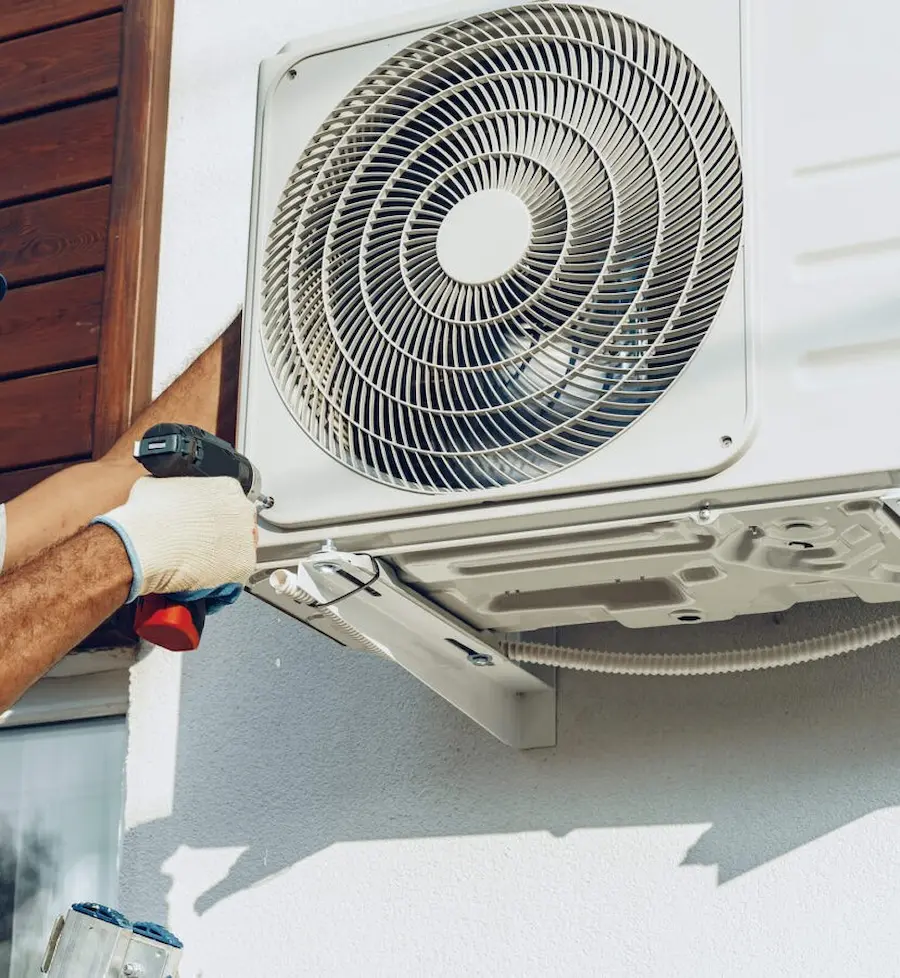
Installation quality also plays a major role. A properly sized heat pump that is installed according to manufacturer specifications will operate far more efficiently than one that is incorrectly sized or poorly positioned. Professional installation ensures correct electrical connections, adequate airflow, and proper water circulation from the very beginning.
Environmental conditions can also affect equipment longevity. In Palm Bay, Brevard County, and Indian River County, pool heat pumps operate in humid conditions that expose outdoor equipment to moisture, salt air in coastal areas, pollen, and debris. While these systems are designed for outdoor use, regular cleaning helps prevent corrosion and airflow restrictions that may shorten their lifespan.
How to Extend the Life of Your Pool Heat Pump
Fortunately, extending the life of your pool heat pump is relatively straightforward.
Keeping the area around the unit free from leaves, grass, and other debris allows unrestricted airflow and reduces strain on the system. Cleaning the evaporator coils when necessary also helps maintain efficient heat transfer.
Scheduling annual professional inspections is equally important. During routine service, technicians inspect electrical components, verify refrigerant levels, test system performance, and identify small issues before they become expensive repairs.
Using a pool cover whenever the pool is not in use can also reduce heating demand. Since less heat escapes from the water, the heat pump does not need to run as frequently, reducing wear on the equipment over time.
Knowing When Replacement Makes Sense
Even well maintained equipment eventually reaches the end of its useful life. If your pool heat pump requires frequent repairs, struggles to maintain temperature, or your energy bills continue increasing despite regular maintenance, replacement may become the more economical choice.
Modern heat pumps are generally more energy efficient than older models and often include improved controls, quieter operation, and better overall performance.
For homeowners throughout Palm Bay, Florida, Brevard County, and Indian River County, replacing an aging unit before it fails completely can prevent unexpected downtime and ensure your pool remains comfortable throughout the swimming season.
Protecting Your Investment
A pool heat pump is designed to provide years of dependable service, but its longevity depends largely on how well it is cared for. Proper installation, routine maintenance, and timely repairs all contribute to maximizing pool heat pump lifespan.
With regular professional servicing and a little preventative care, homeowners throughout Palm Bay, Brevard County, and Indian River County can expect reliable, energy efficient pool heating for many years, making a pool heat pump one of the smartest long term investments for comfortable outdoor living.